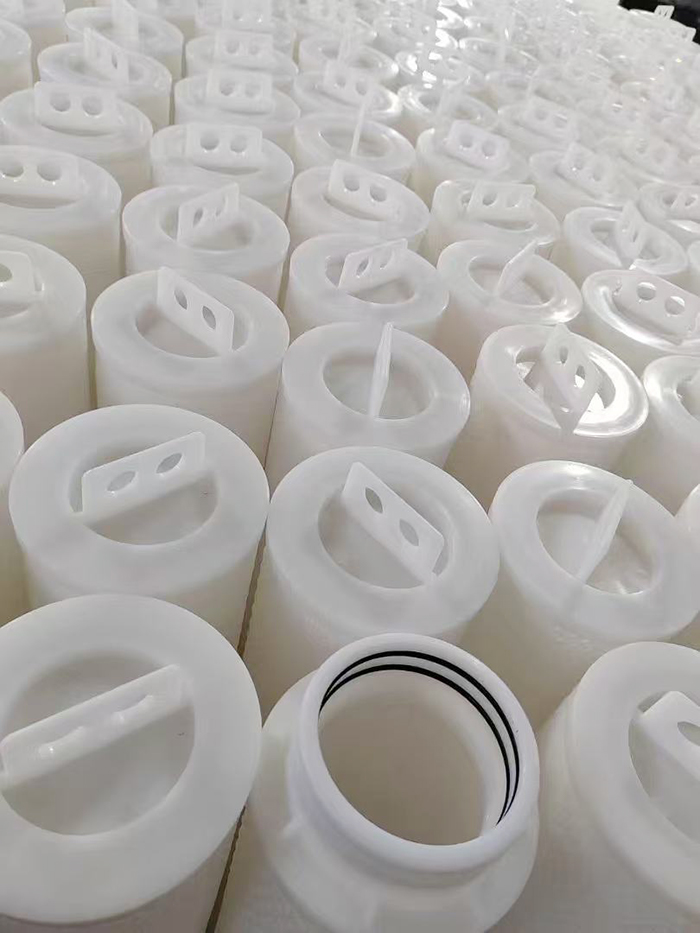
Folding high flow filter element is a key component in industrial fluid treatment systems. The standardization and meticulousness of the replacement operation directly determine the performance of the filtration system, the purity of the product, and the control of production costs. To ensure a safe, efficient, and pollution-free replacement process, follow the following core elements and standard operating procedures.
1、 Preparation work before replacement (elements: safety, confirmation, preparation)
System security isolation:
Shutdown and pressure relief: Ensure that the system completely stops running. Slowly close the inlet and outlet valves, and open the exhaust valve or drain valve to completely release the pressure inside the filter housing to zero. Be sure to confirm that the pressure gauge reading is zero.
Energy isolation: Implement locking and tagging procedures for upstream and downstream pumps and associated equipment to prevent accidental start-up.
Confirmation of fluid properties: Clarify the chemical properties (corrosiveness, toxicity, etc.) of the filter medium and wear appropriate personal protective equipment.
Confirmation and recording of the status of the old filter element:
Record pressure difference and flow rate: Record the terminal pressure difference and flow rate data of the system before replacement, which is an important basis for determining the lifespan of the filter element and the health status of the system.
Analyze the cause of clogging: check the clogging mode of the old filter element (uniform clogging, local clogging, gel layer, etc.) to help judge whether there is a problem in the upstream process.
Preparation of new filter element and tools:
Specification verification: Strictly verify the model, length, diameter, interface form (such as 222 and 226 ports), filtration accuracy, material (PP, PES, PTFE, etc.), and O-ring material of the new filter element to ensure compatibility with the system.
Check packaging: Check if the filter cartridge packaging is intact and sealed to ensure its cleanliness. For aseptic applications, check the integrity test report and sterilization certificate.
Tools and Environment: Prepare clean tools (such as wrenches), sterile gloves, disinfectants, new lubricants (such as silicone grease), and O-rings/gaskets for replacement. Ensure that the replacement area is clean and preferably carried out in dust-free or dedicated areas.
2、 Disassemble the old filter element (elements: orderly and pollution-free)
Open the filter housing: Use the correct tool and loosen the filter housing bolts in diagonal order to avoid uneven stress. Slowly open the lid and be careful of any remaining liquid.
Remove the old filter element: Carefully remove the old filter element to avoid scratching the inner wall of the filter housing. Immediately put the old filter element into a waste bag and seal it to prevent the spread of pollutants.
Cleaning and inspecting the filter housing: Use a clean cloth or tool, combined with a suitable cleaning agent (such as water or alcohol), to thoroughly clean the inner wall of the filter housing, the diffuser (if any), the sealing surface, and the center column. Check all components for damage or corrosion, especially the sealing surfaces and O-ring grooves.
3、 Install a new filter element (elements: precision, cleanliness, sealing)
Pre wetting (key step): For hydrophilic filter cartridges (such as PES, nylon), use clean filtered liquid or specified solvents (such as purified water, alcohol) to fully pre wet the filter cartridge from the inside out or according to the manufacturer's instructions, in order to remove air from the filter membrane pores and ensure filtration efficiency and initial flux.
Installation Instructions:
Hand cleaning: Wear clean gloves for operation.
Place the filter element: Insert the new filter element vertically and carefully into the center column of the filter housing, ensuring that it is securely seated in the bottom collection tray or positioning groove.
Check O-rings: Replace all old O-rings and gaskets. Apply a small amount of compatible lubricant on the new O-ring and install it correctly in the filter cartridge interface or filter housing groove.
Alignment and positioning: Ensure that the top interface of the filter element is accurately aligned with the interface on the top cover of the filter housing to avoid damage caused by forced insertion.
4、 Sealing and closing (elements: uniform, compliant)
Close the filter housing: Place the upper cover upright and ensure that the sealing gasket is in place.
Tighten bolts: In diagonal order, tighten all bolts evenly in two steps (such as pre tightening 50% torque first and then tightening to the specified torque of 100) to ensure even force on the sealing surface and prevent leakage or deformation of the filter housing. It is strictly prohibited to tighten one side at a time.
5、 Post replacement processing and verification (elements: verification, recording)
System exhaust and pre flushing: Slightly open the exhaust valve, slowly open the inlet valve, let the liquid fill the filter housing and exhaust the air. After closing the exhaust valve, perform a system pre flush to flush away any particles and wetting agents that may have been introduced during installation. For critical processes, the flushing solution should be drained and not allowed to enter the product line.
Integrity testing (crucial): For sterilization filtration or critical process filtration, bubble point, diffusion flow, or pressure retention tests must be conducted after installation and before use to verify the correctness of filter installation and the integrity of the filter itself. Only filter cartridges that have passed the test can be put into use.
System leak detection and operation: Check for leaks at all connections. Slowly increase the system to working pressure and observe the pressure difference and flow rate.
File record: Detailed record of replacement date, filter batch number, integrity test results, initial pressure difference, operator and other information. Form a complete traceable document.
Core precautions during the replacement process
Avoid dry operation: Hydrophobic filters that have not been pre wetted or hydrophilic filters that have not been fully pre wetted may not function properly and may be damaged.
Do not knock or drop: The folding structure inside the filter element is precise, and physical impact can cause damage or short circuit to the filter layer.
Avoiding pollution: The core of the entire operation process is to prevent external pollutants from entering the system.
Follow the manufacturer's instructions: Different brands and models of filters may have special requirements, please refer to their operating manuals.
Summary: The replacement of foldable high flow filter cartridges is a highly technical maintenance task. Its success or failure depends 30% on the quality of the filter element itself, and 70% on standardized and meticulous replacement operations. Strictly following the above elements and processes is the key to ensuring stable system operation, product quality and safety, and realizing the great value of filter cartridges.


