
 English
Activated carbon filter is an indispensable "guardian" in household water and air purification systems. It effectively removes residual chlorine, odors, organic pollutants from water, as well as formaldehyde, odors, and harmful gases from the air through its large specific surface area and strong adsorption capacity. However, it is not a one-time solution, regular replacement is the key to ensuring its effectiveness and the health of family members.
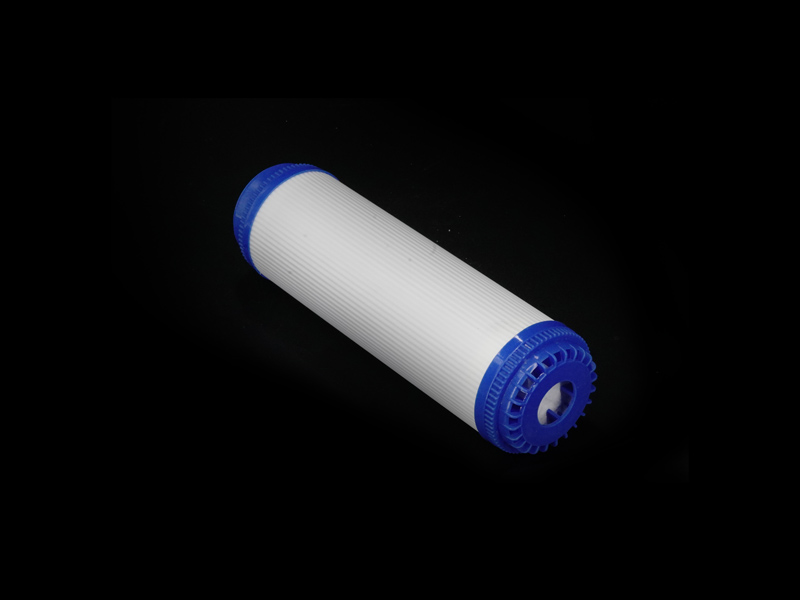
1、 Why do we need to replace it? What are the hazards of ineffective activated carbon filters?
Many people mistakenly believe that as long as the filter element is not damaged, there is no need to replace it, which is a huge misconception. The core of activated carbon filter lies in "adsorption", and its adsorption capacity is limited. Adsorption saturation, failure without filtration: When the pores of activated carbon are filled with pollutants, it will no longer have adsorption capacity. At this point, water or air will directly pass through, and pollutants cannot be removed, rendering the filter virtually useless. Becoming a secondary source of pollution: This is a dangerous stage. The adsorbed organic matter (such as bacteria and microorganisms) will multiply in large numbers inside the warm and humid filter element, leading to the outflow of "yellow water" or odorous water from the water purifier filter element. The total number of bacteria may exceed the standard, which in turn pollutes the originally clean water. Air purifier filter element: becomes a breeding ground for mold and bacteria, blowing harmful microorganisms back into indoor air, causing secondary air pollution. Impact on system performance: clogged filter cartridges can increase water or air flow resistance, resulting in a decrease in water output from the water purifier, reduced air flow from the air purifier, increased noise, and increased motor load, shortening the overall lifespan of the machine.
2、 When will it be replaced? Four major signals for identifying the timing of replacement
1. Follow the official recommended cycle (important):
The instruction manual of each product will provide recommended replacement intervals, which are the basic reference. The common cycle is as follows: Activated carbon filter before water purifier: 6-12 months. Improvement of taste filter element at the back end of water purifier: 9-12 months. Activated carbon filter for air purifier: 6-12 months. Activated carbon filter for fresh air system: 3-12 months (depending on the environment). Note: This is only a general range, and the actual lifespan is affected by the following factors: frequency of use: many people at home, high water consumption/air purifier frequently on, requiring more frequent replacement. Source water/source gas quality: Poor water quality, strong odor, or severe air pollution (such as new decoration or street facing) may shorten the lifespan of the filter element.
2. Observe performance degradation signals:
Water purifier: significantly reduced water output: After eliminating water pressure issues, it is likely that the pre filter element is clogged. The taste of water deteriorates: one can taste or smell a chlorine or unpleasant odor similar to tap water. After boiling water, there is a significant increase in scale, indicating that the rear composite filter element may have failed. Air purifier: The efficiency of removing indoor odors decreases, such as the lingering smell of cooking fumes. The machine runs at a constant wind speed, but the purification effect feels worse.
3. Appearance judgment (auxiliary means):
Remove the old filter element and compare it with the brand new one. If the color noticeably darkens or turns black, or if a flashlight shines on the filter element of the water purifier and dark substances are found inside, it must be replaced.
3、 How to replace it? Hands on teaching (taking household water purifiers as an example)
Safety preparation: Close the inlet valve (three-way valve) and pressure storage tank valve, and open the clean water tap to release the pressure inside the pipeline.
Step 1: Remove the old filter element
Use the matching filter wrench to cover the filter bottle and turn it counterclockwise to unscrew it. Carefully remove the old filter element, being aware that there may be water accumulation flowing out. You can place a towel underneath.
Step 2: Clean the filter bottle
Wipe the inside of the filter bottle clean with a clean towel or tissue, especially the position where the sealing ring is located. Important: Check whether the sealing rubber ring of the filter bottle mouth is displaced, aged, or damaged. If there is a problem, it needs to be reset or replaced in a timely manner, otherwise water leakage may occur.
Step 3: Install a new filter element
Put the new filter element into the filter bottle. Pay attention to the direction of the filter element, usually indicated by an arrow, which should be aligned with the direction of water flow (i.e. towards the filter cap). Align the filter bottle cap with the thread and turn it clockwise to tighten it preliminarily. Use a bottle wrench to tighten again by about 1/4 turn. Do not apply excessive force, as it may damage the threads or rubber rings.
Step 4: Water inspection and flushing
Open the inlet valve and pressure tank valve. Turn on the power and let the machine start making water. Very important: Turn on the clean water tap and let it drain for 10-15 minutes. This step is to rinse off the carbon powder and protective solution in the new filter element until the water flow becomes clear and free of black powder. The first few buckets of water produced during this period are not recommended for drinking. Replacing the air purifier filter is simpler: usually open the side or back cover, directly remove the old filter, replace it with a new filter, ensure the correct direction, and then shut down and restart.
4、 Precautions for choosing a new filter element
Model matching: Be sure to purchase a filter element that matches your machine model exactly. Filter cartridges from different brands or even different series of the same brand are usually not interchangeable. Quality assurance: Choose official channels, authorized distributors, or reputable brands to purchase, avoid using inferior fake filters, as their adsorption effect and safety cannot be guaranteed. Environmental protection treatment: Abandoned activated carbon filter cartridges belong to general household waste, please dispose of them according to local regulations.
Summary: Regularly replacing activated carbon filters is not an optional maintenance, but a necessary investment that is responsible for the health of family members. Remember its core: "Replace on time to ensure effectiveness; serve beyond the expiration date, turn it into pollution." Developing the good habit of regular inspection and replacement is necessary to ensure that this "guardian" of family health continues to serve you.


